
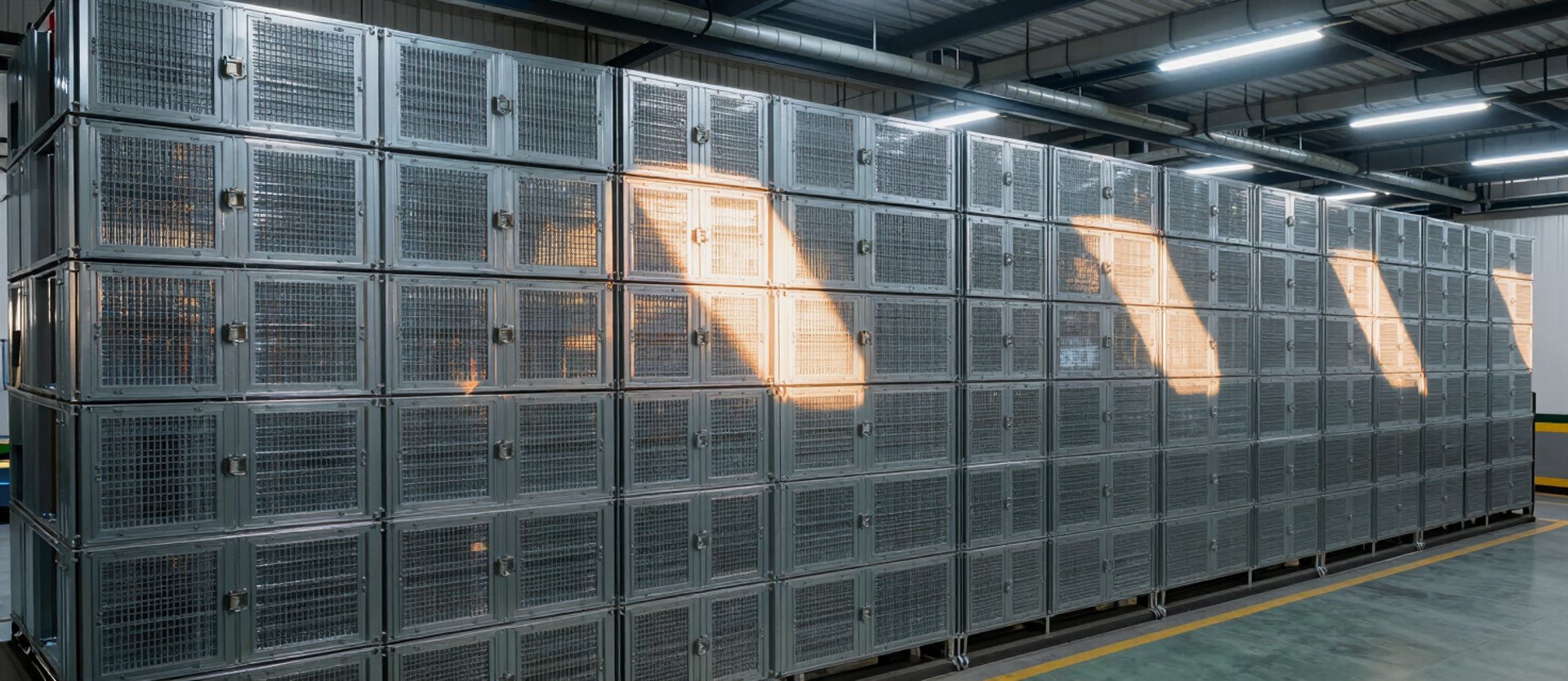
Turn Demand-Charge Spikes Into a Fixed-Cost Line Item
MasterMind sizes behind-the-meter storage against your actual load profile — then structures the financing so peak-demand exposure becomes predictable capital, not a variable utility penalty.
The Largest Controllable Line Item on Your Bill
How We Size Your System
Peak interval analysis — 12 months of 15-minute interval data to identify your demand ceiling and seasonal variance.
Demand charges are assessed on your peak 15-minute interval each billing cycle — a single capacity spike can define 30–40% of your monthly utility cost regardless of how efficiently you operate the rest of the month.
Critical-load mapping — operational priorities ranked so discharge sequencing protects uptime before addressing cost.
Tariff structure review — rate schedule, demand windows, and TOU penalties modeled against storage dispatch curves.
Behind-the-meter storage discharges precisely during those intervals, flattening your load curve and locking your effective demand rate well below the utility's published tariff.
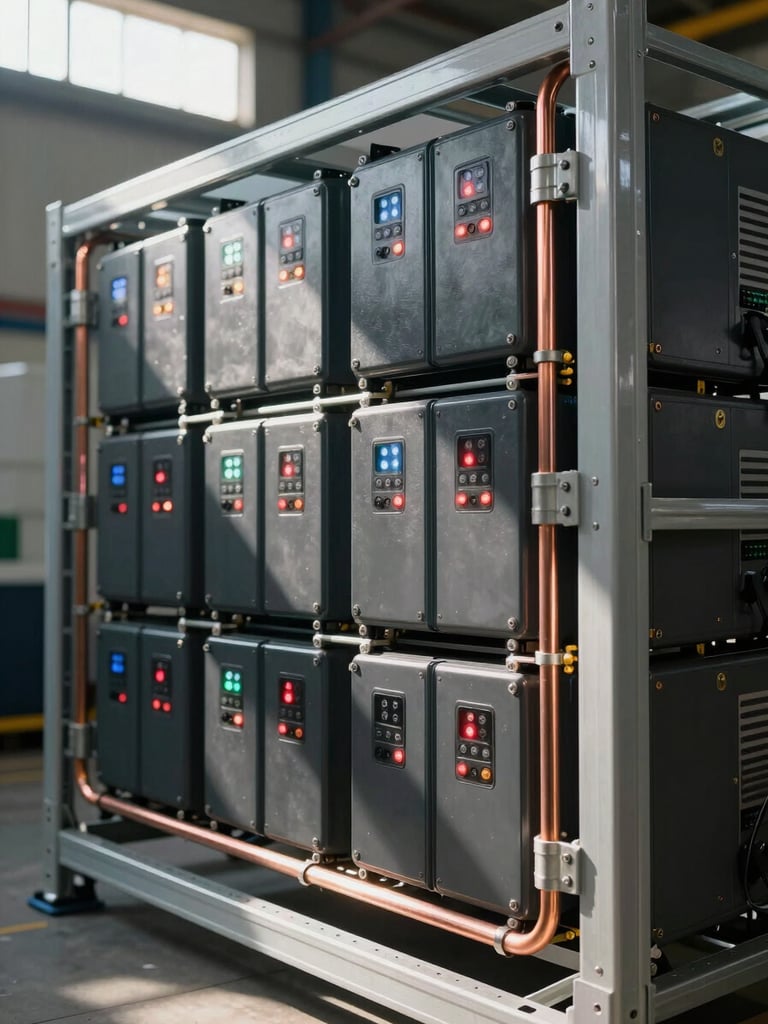
Three Operational Problems. One Infrastructure Solution.
Demand Charge Elimination
Storage dispatches at peak intervals to suppress your billed demand, converting a variable utility penalty into a structured, predictable capital cost over the contract term.
Critical-Load Resiliency
Facilities with zero-tolerance uptime requirements — data centers, cold storage, manufacturing lines — maintain operations through grid interruptions without generator dependency.
Solar Arbitrage Pairing
Paired with on-site solar, storage captures midday generation surplus and deploys it against evening peak windows — extending the rate-lock benefit of your solar system into high-cost hours.
Your Peak-Demand Rate Is Negotiable. Let's Price the Lock.
We model your interval data, identify your demand ceiling, and structure a storage contract priced against your actual load — not a generic capacity tier.